
Ha Long Bay Travel Tips & Safety
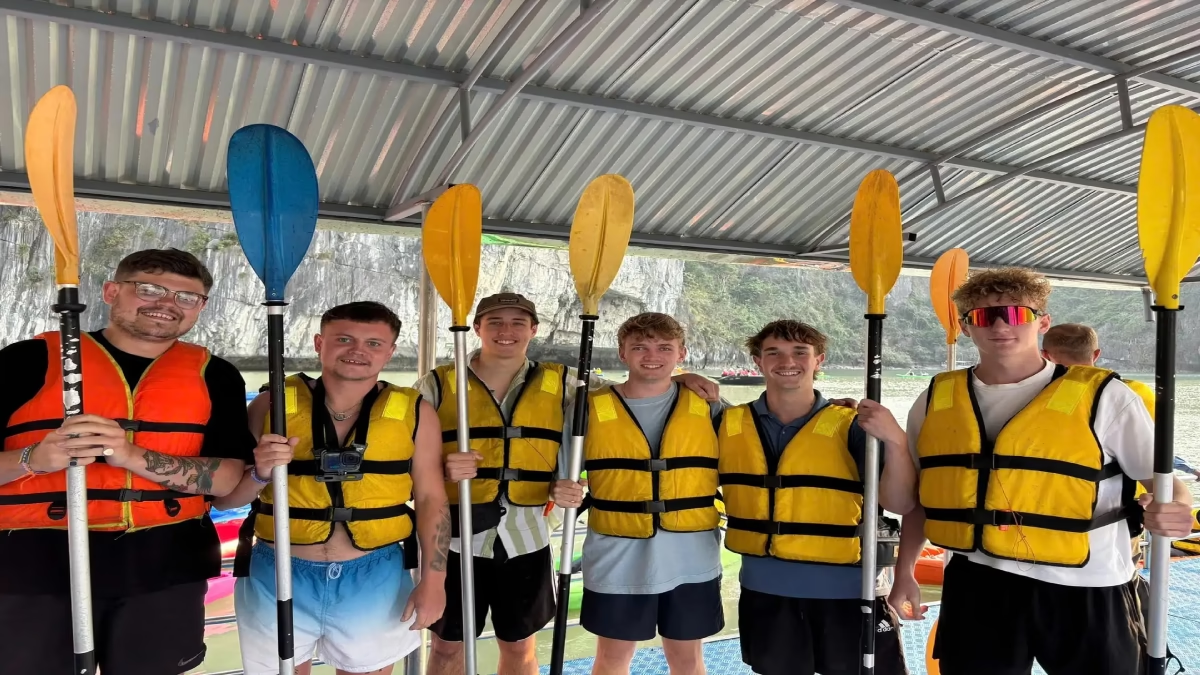
Yes — Ha Long Bay is a safe destination for international travellers. The main risks are weather-related (typhoons between July and September), occasional boat incidents requiring safety vigilance, and the usual travel risks of any tourist destination such as overcharging and low-quality operators. Following standard precautions — booking through reputable platforms, checking weather forecasts, wearing life jackets during water activities — makes the visit safe and straightforward for the vast majority of visitors.
Ha Long Bay receives millions of visitors annually, and serious incidents are rare. But “rare” is not the same as “impossible,” and a few practical precautions — knowing what weather conditions to watch for, how to identify a trustworthy operator, and how to stay safe during water activities — are worth understanding before you go. This guide covers everything.
Ha Long Bay Cruise Weather Safety
The main weather risk on Ha Long Bay is typhoons, which affect the northern Vietnamese coast between July and September. During typhoon warnings, the bay closes to cruise traffic for safety. Travellers visiting during this period should book with operators offering full refunds or free rescheduling for weather cancellations, and should monitor weather forecasts closely in the days before departure.
Typhoons (July to September) — tropical storms can develop rapidly and move toward the northern Vietnamese coast with limited warning. The Quảng Ninh provincial authority closes Ha Long Bay to all cruise traffic when a typhoon warning is issued. Reputable operators will cancel or reschedule your cruise and refund your payment. Disreputable operators may pressure you to continue — if a cruise is cancelled due to weather by the authorities, you are entitled to a refund.
Fog and low visibility (December to February) — winter mist and low cloud can reduce visibility on the bay significantly. This does not cancel cruises but affects the visual experience. Check weather forecasts the day before departure.
Summer thunderstorms (May to September) — afternoon thunderstorms are common in the wet season and can develop quickly. Reputable operators monitor weather and return to port if severe storms are forecast. If you are kayaking when a storm develops, return to the boat immediately.
The Best Time to Visit Ha Long Bay guide covers weather patterns in full seasonal detail.
Cruise and Boat Safety
Always wear a life jacket during water activities — life jackets are provided for kayaking and are mandatory on most reputable cruises. Wear yours. Ha Long Bay’s waters are generally calm but the bay is large and currents can be unpredictable near cave entrances and narrow passages.
Check the boat’s safety equipment before departure — when you board, take note of where life rings, fire extinguishers, and emergency exits are located. This takes two minutes and is standard practice on any vessel.
Book licensed operators — all Ha Long Bay cruise operators are required to be licensed by the Quảng Ninh Department of Tourism. Booking through established platforms (GetYourGuide, Viator, Tiqets) provides a layer of quality assurance — these platforms remove operators with poor safety records from their listings.
Overnight cruises: familiarise yourself with the fire exits — cabin boats can be crowded and narrow corridors in the dark are disorienting. Know where the emergency exits are before you go to sleep.
Do not swim outside designated swimming zones — the guide and crew designate safe swimming areas away from boat traffic. Swimming outside these zones exposes you to risk from passing vessels.
Ha Long Bay Cruise Water Activity Safety
Kayaking — always wear the provided life jacket. Paddle with a partner in the two-person kayaks. Stay within the guide’s indicated route — wandering into open bay areas exposed to boat traffic is dangerous. If you capsize, hold onto the kayak and signal to the guide.
Swimming — jellyfish are occasionally present, particularly in warmer months (April to October). Before entering the water, ask your guide whether jellyfish have been spotted. The guide will know current conditions. Vinegar (acetic acid) neutralises jellyfish stings — some boat kitchens carry it; ask before swimming if you are concerned.
Cave visits — caves involve walking on wet, uneven limestone. Watch your footing and hold handrails where provided. The lighting is generally good but some sections are dimmer. Keep children close in cave environments.
Avoiding Ha Long Bay Cruise Scams and Overcharging
Budget operators who inflate prices on arrival — some low-cost operators advertise a headline price and then add national park fees, equipment costs, or “service charges” at the dock. Book through platforms that display fully itemised pricing and confirmed inclusions. See How to Book Ha Long Bay Tickets for what to check before paying.
Unlicensed street sellers in Hanoi’s Old Quarter — travel agents in the Old Quarter range from highly reputable to outright fraudulent. If booking locally in Hanoi, use well-established agencies with physical premises, verified TripAdvisor reviews, and printed receipts. Avoid booking from anyone who approaches you on the street.
Pearl shop pressure on board — pearl farm visits (on overnight cruises) typically include time in a pearl shop with soft sales pressure. There is no obligation to buy anything, and prices for Ha Long pearls are competitive in Ha Long City shops if you want to purchase after the trip rather than on the boat.
Overpriced drinks on board — beer, wine, and soft drinks are universally sold at a markup on Ha Long Bay boats. This is normal and expected — buy what you want but know that a can of beer on board costs two to four times what it costs in a Hanoi supermarket.
Ha Long Bay Cruise Health Precautions
Motion sickness — Ha Long Bay’s sheltered waters are generally calm, but some travellers — particularly on smaller vessels or during rough weather — experience seasickness. Take medication prophylactically before boarding if you are prone to motion sickness. Sitting on the open deck and focusing on the horizon helps if symptoms develop.
Sun and heat — the combination of water reflection and open deck time makes sunburn a real risk, even on overcast days. Reapply high-SPF sunscreen after swimming and every two hours on deck. Drink water consistently — dehydration is easy to overlook in the heat.
Food safety — reputable cruise operators maintain good kitchen hygiene and use fresh local seafood. On budget operators, standards are less reliable. If you have a sensitive stomach, stick to simply prepared dishes (steamed rather than fried) and avoid shellfish on boats you have not independently verified as reputable.
Medications — bring a small personal first aid kit including plasters, antiseptic, painkillers, antihistamines, and any prescription medications you require. Medical facilities on the boats are basic — for anything beyond minor first aid, the captain will return to port.
Practical Ha Long Bay Cruise Safety Tips
Keep valuables in your cabin — on overnight cruises, the cabin door lock is standard but basic. Keep passports, large amounts of cash, and electronics in your cabin rather than unattended on the common deck.
Save the operator’s contact number — in the event of a problem, having the operator’s phone number separately from your booking confirmation email is useful.
Check mobile signal before departure — Ha Long Bay has 4G coverage in most areas, but some remote anchorages have limited or no signal. Download offline maps and your booking confirmation before leaving the port.
Travel insurance — standard travel insurance covering medical evacuation and trip cancellation is strongly recommended for Ha Long Bay. Check that your policy covers water sports activities including kayaking.
Emergency numbers in Vietnam: – Police: 113 – Fire: 114 – Ambulance: 115 – Coast Guard: 1800 599 910 (toll-free)
Frequently Asked Questions
Has there ever been a cruise capsize on Ha Long Bay?
Yes — there have been incidents involving Ha Long Bay cruise boats capsizing or sinking, most notably in severe weather conditions. These incidents are rare relative to the volume of cruise traffic on the bay but have occurred. The risk is significantly higher on older, poorly maintained budget vessels and during adverse weather. For a detailed guide to this topic, see Ha Long Bay Cruise Capsize — Safety Guide.
Is it safe to kayak on Ha Long Bay?
Yes — kayaking on Ha Long Bay in designated areas with a guide and a life jacket is safe for most travellers. The sheltered nature of the bay means conditions are rarely dangerous for the enclosed lagoons and passages used during cruise kayaking sessions. Always wear your life jacket and stay within the guide’s indicated route.
Are there sharks in Ha Long Bay?
Shark attacks in Ha Long Bay are exceptionally rare — the bay is relatively shallow and heavily trafficked, making it an unlikely habitat for species that pose a risk to humans. The main wildlife concerns for swimmers are jellyfish (seasonally present) and sea urchins near rocky shores.
Is the food safe to eat on Ha Long Bay cruises?
On well-reviewed mid-range and above operators, yes. The seafood served on Ha Long Bay cruises is freshly sourced from local fishing families and generally safe when properly prepared. Read recent reviews — kitchen hygiene complaints, if present, appear consistently in negative reviews of an operator.
What should I do if my cruise is cancelled due to weather?
If your cruise is cancelled by the operator or by Quảng Ninh provincial authorities due to weather, you are entitled to a refund or free rescheduling. If you booked through GetYourGuide, Viator, or Tiqets, contact the platform directly. If you booked directly with an operator who refuses to refund a weather cancellation, contact the platform you used or your travel insurance provider.
Is it safe to travel to Ha Long Bay during typhoon season?
You can travel — but the risk of cruise cancellation is significantly higher between July and September. If you visit during this period, book with a flexible cancellation policy and monitor weather forecasts closely. Arriving a day or two before your intended cruise date gives you more flexibility to reschedule if a storm is developing.
