
Best Time to Visit Ha Long Bay
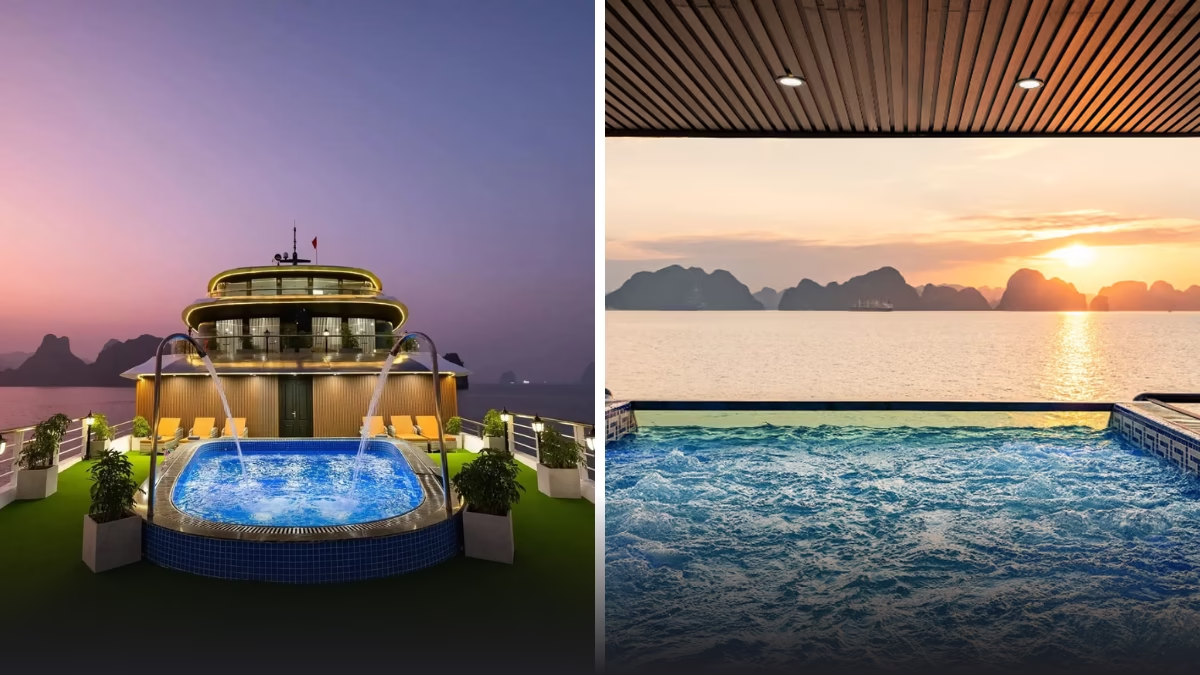
The best time to visit Ha Long Bay is between October and April, during the northeast monsoon dry season. This period brings the clearest skies, calmest water, and best visibility for cruising and kayaking. November to March offers the most reliable weather. May to September is the wet season and typhoon period — cruises can still operate, but the risk of cancellations and reduced visibility is higher.
Ha Long Bay’s weather is governed by two seasonal patterns: the dry northeast monsoon (October to April) and the wet southwest monsoon (May to September). Understanding these seasons — and the nuances within each — is the most important piece of trip planning you can do before booking a cruise. The difference between visiting in January and visiting in August is not merely a matter of comfort. It can mean the difference between clear karst vistas stretching to the horizon and a grey, mist-shrouded day with a weather-related cancellation.
Ha Long Bay Weather by Season
October to April — Peak Season (Best Time)
October to April is Ha Long Bay’s dry season, with cool to mild temperatures, low rainfall, and clear skies producing the best visibility for cruise photography and karst viewing. Water temperatures are coolest in January and February (around 17–20°C) and warmest in April (around 24°C). This is the most popular period for cruises — book early.
October and November are among the best months of the year. The summer heat has lifted, the typhoon season is winding down, and the light on the karst formations in the low autumn sun is exceptional. Water temperatures are still warm enough for comfortable swimming. Crowds are building but not yet at peak Christmas levels.
December and January bring the coolest temperatures — days average 17–20°C, and the water can feel cold for swimming. However, the skies are frequently clear blue, the karsts are at their most photogenic in crisp winter light, and the mist that forms in early morning over the cold water creates some of the most atmospheric conditions of the year. This is the ideal period for photography. Crowds are moderate.
February coincides with Tết (Vietnamese Lunar New Year), which falls between late January and late February. The week around Tết sees extremely high domestic travel demand and significant price increases. Book accommodation and cruises well in advance if you plan to travel at this time.
March and April see temperatures rising into the low-to-mid 20s°C, water warming up for swimming, and conditions that balance comfort, visibility, and moderate crowd levels. April is one of the best all-round months — warm enough for swimming, clear enough for photography, before the summer crowds and heat arrive.
May to September — Wet Season (Approach with Caution)
Yes — Ha Long Bay cruises operate year-round, including the wet season. However, May to September brings higher rainfall, reduced visibility, increased humidity, and the risk of typhoons (July to September). Cruises may be modified or cancelled on bad weather days. If you visit during this period, book with operators that offer free cancellation and check weather forecasts closely before departure.
May and June are transitional months — warmer and more humid than April, with increasing rainfall but still manageable conditions. Swimming is excellent (water temperatures 26–28°C). Visibility is reduced on rainy days but can still be good on clear ones.
July and August are the peak of the wet season and the typhoon risk period. Temperatures are at their highest (32–35°C), humidity is oppressive, and rainfall is frequent. Typhoons (tropical storms) typically affect the northern Vietnamese coast between July and September. Ha Long Bay closes to cruise traffic during typhoon warnings, and departures can be cancelled with short notice. If you must travel in this period, choose operators with robust cancellation and rebooking policies.
September is the final month of typhoon season. The tail of the wet season makes it one of the least predictable months for bay weather. Towards late September, conditions begin to improve.
Ha Long Bay Weather Month by Month
| Month | Temperature | Rainfall | Crowd level | Cruise conditions |
|---|---|---|---|---|
| January | 17–20°C | Low | Moderate | Excellent |
| February | 17–22°C | Low | High (Tết) | Excellent |
| March | 20–24°C | Low | Moderate | Excellent |
| April | 24–28°C | Low–medium | Moderate | Very good |
| May | 27–32°C | Medium | Low–moderate | Good |
| June | 28–33°C | Medium–high | Low | Fair |
| July | 29–35°C | High | Low | Poor (typhoon risk) |
| August | 29–35°C | High | Low | Poor (typhoon risk) |
| September | 27–33°C | High | Low | Fair–poor |
| October | 24–28°C | Low–medium | Moderate | Very good |
| November | 20–25°C | Low | Moderate–high | Excellent |
| December | 17–22°C | Low | Moderate–high | Excellent |
The “Mist Season”: Winter Drizzle on Ha Long Bay
Ha Long Bay experiences a specific phenomenon in January and February — a combination of cool air temperatures and warm sea surface temperatures produces persistent low cloud and light drizzle, sometimes lasting several consecutive days. This “mist season” divides travellers: some find the foggy conditions atmospheric and hauntingly beautiful (the bay does look extraordinary in mist), while others find the reduced visibility disappointing.
The mist is not guaranteed in winter — many January and February days are crisp and clear. But if clear blue skies are your priority, October to November or March to April offers more reliable conditions.
Best Month for Specific Ha Long Bay Cruise Activities
Photography — November to March for the clearest light and lowest humidity. January and February for the famous dawn mist.
Swimming — May to October for the warmest water temperatures (26–29°C). April and November are acceptable. December to February is cold for swimming.
Kayaking — October to April for the calmest water conditions. Stronger winds in summer (June to August) can make kayaking more challenging.
Avoiding crowds — May to September has the lowest tourist numbers but the worst weather. For moderate crowds with good weather, aim for October to November or March to April.
Budget travel — low season (May to September) offers the lowest cruise prices but the highest weather risk. Shoulder seasons (October and April) offer the best balance of price, weather, and crowd level.
When to Book Your Ha Long Bay Cruise
For travel between October and April, book cruises at least three to four weeks in advance. Luxury and private cruises should be booked six to eight weeks ahead. For peak periods (Christmas–New Year, February Tết, and October–November), book as early as possible. See How to Book Ha Long Bay Tickets for the full booking guide.
Frequently Asked Questions
What is the best month to visit Ha Long Bay?
November, March, and April are generally the best months — combining good weather, manageable crowds, warm enough temperatures for swimming, and clear visibility for the karst landscape. October is excellent if you want slightly fewer crowds before the high season build.
Is Ha Long Bay worth visiting in winter?
Yes — December through February offers some of the clearest skies and most atmospheric conditions of the year. The water is cold for swimming, but the landscape photography can be exceptional. The January–February mist is either a beautiful bonus or a drawback depending on your priorities.
Is it safe to cruise Ha Long Bay during typhoon season?
The bay closes to cruise traffic during active typhoon warnings, so cruises are not simply cancelled — they are suspended for safety. Outside active typhoons, the wet season increases rainfall and rough weather days but does not make cruising impossible. Choose operators with clear cancellation policies if you book during July to September.
How does the weather in Ha Long Bay compare to Hanoi?
Ha Long Bay and Hanoi have similar seasonal patterns but the bay is coastal, meaning it can be more humid in summer and affected by sea fog in winter. Hanoi experiences the same dry/wet season divide but is approximately 3°C warmer in summer and similar in winter.
Does Ha Long Bay get crowded?
Yes — in peak season (October to April), the bay’s central zone is busy with hundreds of cruise boats. The outer areas (Bai Tu Long Bay, Lan Ha Bay) are significantly less crowded. If you are visiting in peak season and want a quieter experience, choose a cruise that accesses these outer zones.
What should I wear in Ha Long Bay in winter?
In December to February, bring a light to medium jacket for evenings and early mornings on the water — temperatures on the open deck can feel significantly cooler than on land due to the wind. Layers are more practical than a single heavy coat.
